






1
2
3
4
5
6
7
8
9
10
11
12
13
14

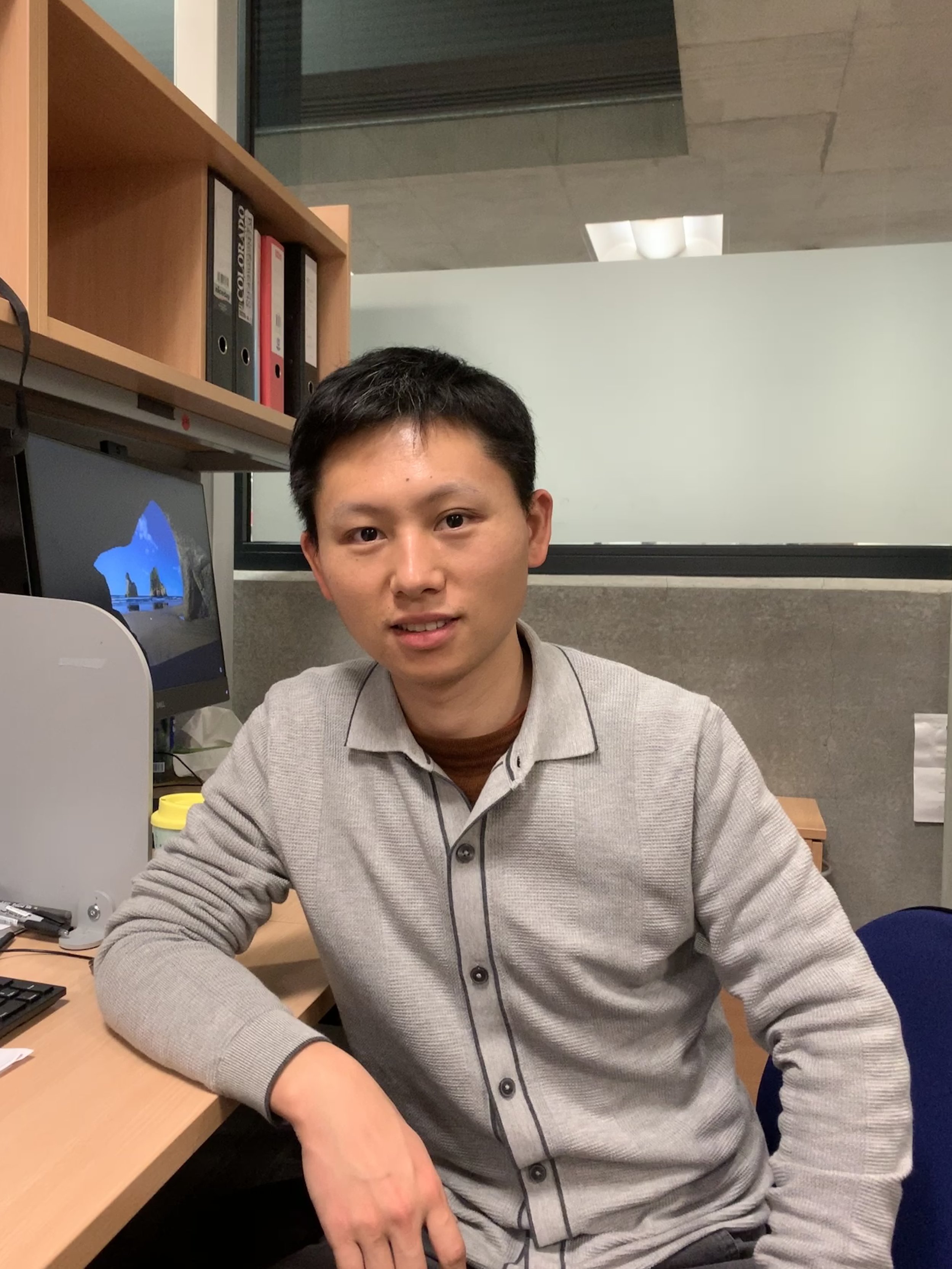
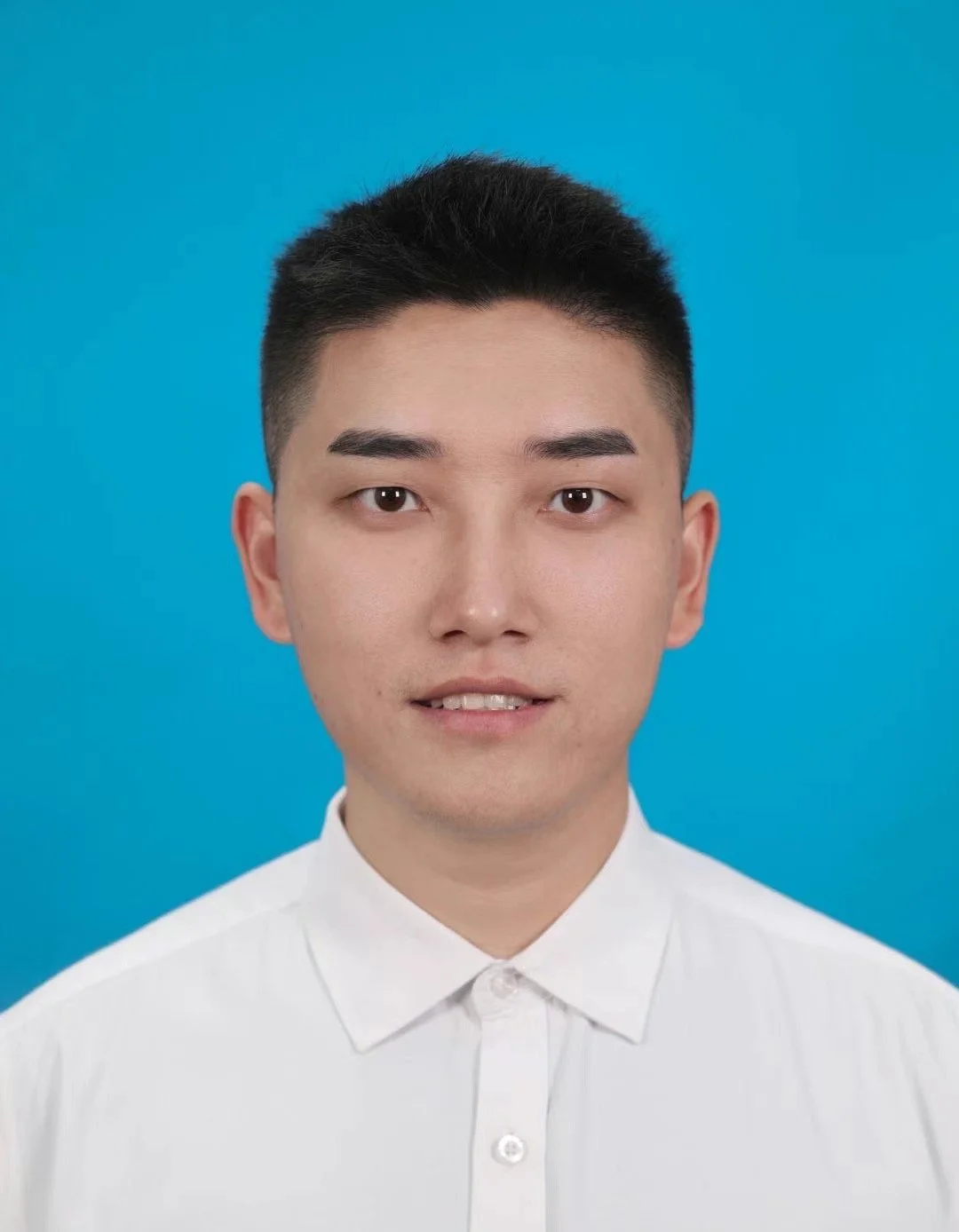
Alan Jiao, PhD
alanlongjiao@gmail.com
BSc: Immunology, University of Toronto, Canada / PhD: Molecular Cellular Developmental Biology, Yale University, USA
Many cancer cells exist in highly abnormal epigenetic states. I am broadly interested in better understanding those states in order to identify cancer-specific vulnerabilities. I am also a model organism enthusiast. My current projects include investigating the role of certain histone mutations in driving a rare, incurable childhood brain cancer. I am studying these mutations in systems ranging from primary human tumors to roundworms (C. elegans).
I love poker, badminton, basketball, snowboarding, and cooking, none of which I am particularly good at.
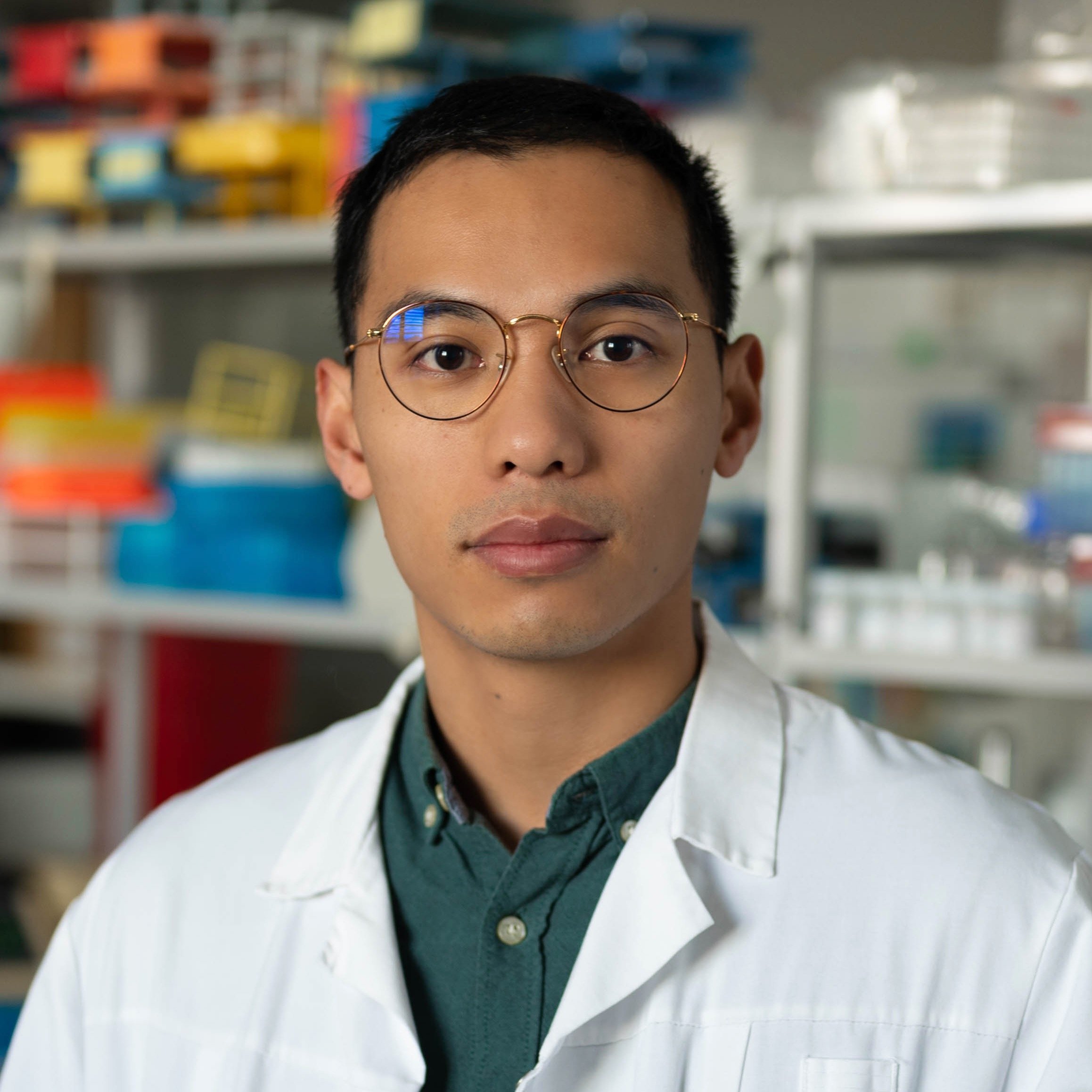
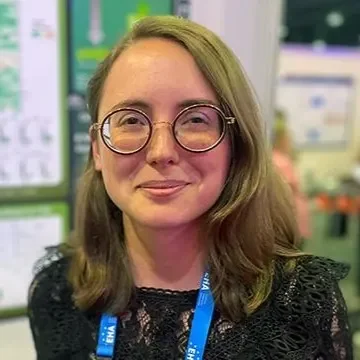
Damayanti Chakraborty, PhD
Damayanti.Chakraborty@childrens.harvard.edu
BSc. Presidency College, Calcutta, India/ MSc. Calcutta University, Calcutta, India/ PhD. University of Kansas Medical Center, Kansas City, USA.
I am interested in epigenetic regulation of cell fate changes in early development and diseases.
I am an avid fan of independent films, love to travel and explore different cultures through food, different cooking styles and techniques.
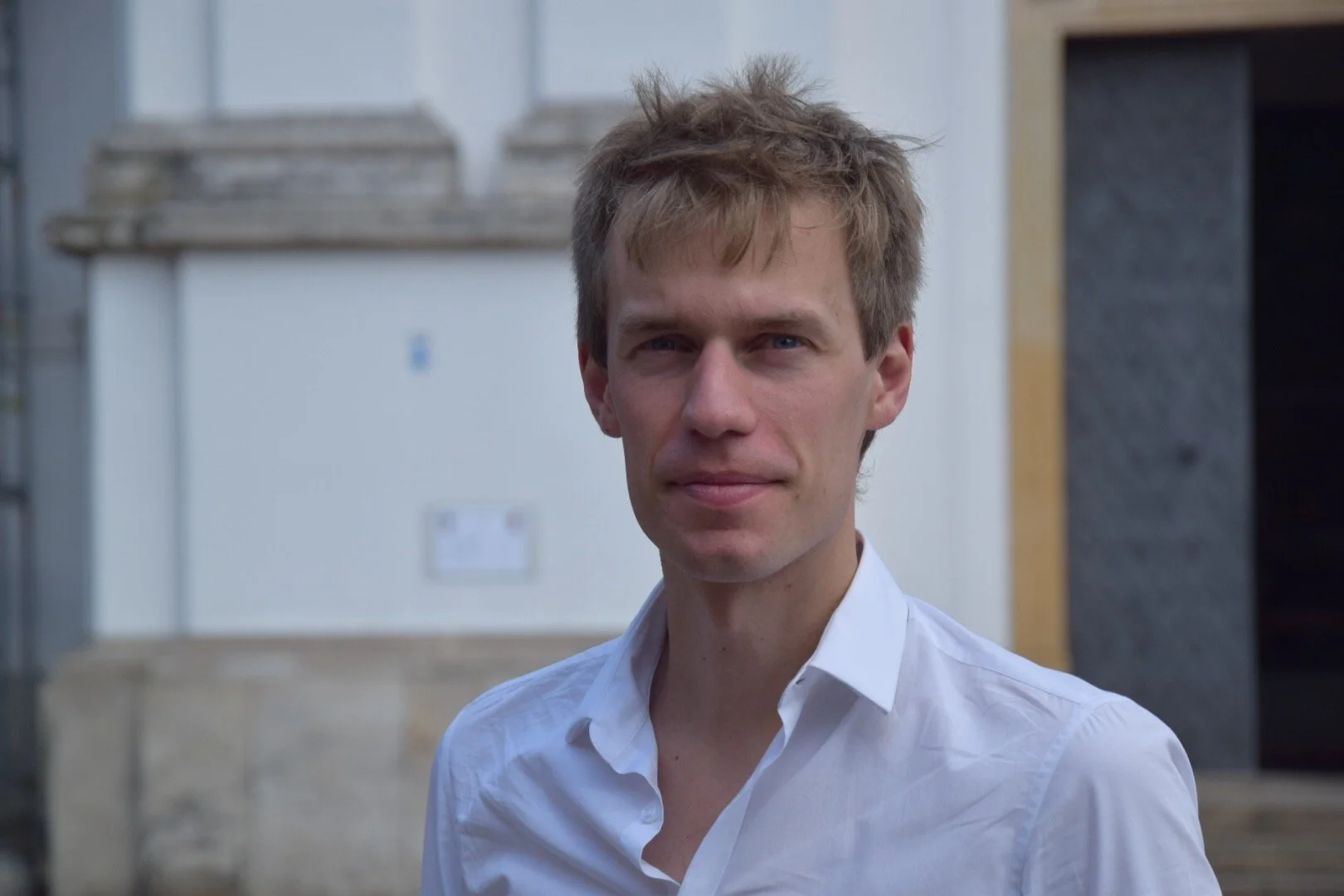
Yuanqin Yang, PhD
Contact: yuanqin.yang@ludwig.ox.ac.uk
B.Sc. and M.Sc. Zhejiang Sci-tech University/ Ph.D Shanghai Jiao Tong University
I am interested in epigenetic and epitranscriptomic regulators of cancer immunology and immune aging.
I am an NBA fan and enjoy running.
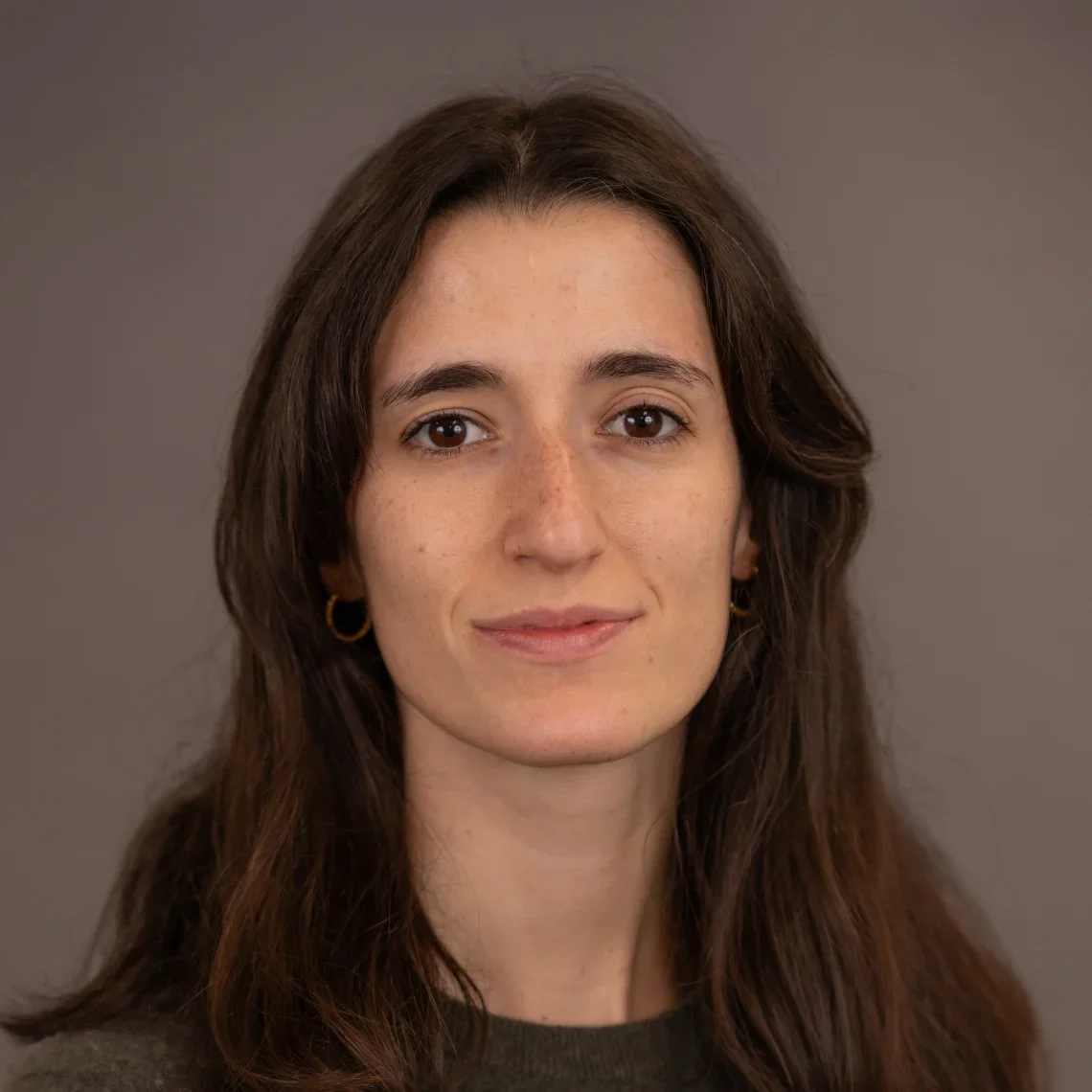
Amir Hosseini, PhD
Contact: amir.hosseini@ludwig.ox.ac.uk
I received my PhD degree in System Medicine (Molecular Oncology) at European Institute of Oncology (IEO)/University of Milan. In 2020 I joined Dr. Daniel De Carvalho’s lab at Princess Margaret Cancer Centre in Toronto to pursue my postdoctoral study.
I’m interested in how epigenetics and RNA modifications affect cancer development, progression and drug response.
I enjoy watching football and doing workout occasionally.
Hui Huang, PhD
Contact: hui.huang@ludwig.ox.ac.uk
Berna Bou Tayeh, PhD
Research Interests
The use of immune checkpoint blockade strategies, anti-PD1 and anti-CTLA-4, to reverse T cell exhaustion and improve their cytotoxic potential has revolutionized the treatment of cancer. Other immune cells playing an important role in the defense against cancer can also undergo exhaustion under specific conditions. However, little is known about the mechanisms underlying this phenomenon and the ways to reverse it. The aim of my research is to unveil key epigenetic regulators implicated in the exhaustion of cytotoxic innate immune cells, Natural Killer cells. This work will improve our understanding of NK cell dysfunction. Moreover, we hope to be able to discover regulators that can be targeted for NK-cell based anti-cancer therapy.
Background
I completed my BSc in Biological Sciences at the Lebanese University and my masters and PhD degrees at Aix-Marseille University, France. During my PhD, I studied the mechanisms of Natural Killer cell alterations in Acute Myeloid Leukemia. Then I worked as a Postdoctoral Research Associate at the University of Cambridge to deepen my understanding of the interaction between immune cells and other components of the tumor microenvironment.
Sylvain Nguyen, PhD
Ines Kaltheuner, PhD
Postdoc at the Ludwig Institute of Cancer Research, Oxford University
Education: BSc, University of Hamburg, Germany; MSc and PhD, University of Bonn, Germany
Research focus: I am interested in the functions and molecular mechanisms of transcriptional regulators, such as chromatin and RNA modifying enzymes
Qianpeng Li, PhD
Research interest: Transposable elements (TEs) are mobile DNA sequences that are widespread in the human genome. Although most TEs lost their ability to “jump” in the genome, they have been found to play important roles in gene regulation and human cancer. I’m interested in investigating the epigenetic regulators governing the transcriptional activity of TEs and their roles in cancer therapy.
Background: I obtained my BS in Biomedical Engineering from Beijing University of Aeronautics and Astronautics in 2016. Following that, I pursued my PhD in Bioinformatics at the Beijing Institute of Genomics. During my doctoral studies, I investigated the impact of transposon elements on the expression regulation of long non-coding RNAs, exploring their significance in cell identity and developmental processes.
Niklas Grassl, MSc, MD
Contact: niklas.grassl@ludwig.ox.ac.uk
M.Sc. physics and MD Ludwig Maximilian University of Munich, Germany / Residency in Neurology Medical Faculty Mannheim, Heidelberg University
Research Focus
Brain tumors are among the most aggressive and difficult-to-treat cancers in humans. I’m interested in understanding how these tumors arise from precursor cells and how epigenetic dysregulation contributes to their resistance to therapy. By uncovering these mechanisms, I hope to help pave the way toward more effective treatment options for patients.
About Me
Outside the lab, I enjoy ski touring, traveling, and exploring philosophy and history.
Chiara Grelloni, PhD
Guiheng (Graham) Zhang, PhD
Postdoc at the Ludwig Institute for Cancer Research, University of Oxford
Education: BSc, Northeast Agricultural University, China; MSc and PhD, Zhejiang University, China.
Research focus: I am interested in the immune regulation mechanisms of neural signals in the DIPG microenvironment.
Zixuan (Evelyn) Huang, PhD
My research focuses on how cancer cells adapt their metabolism to survive under stress, particularly in acute myeloid leukemia (AML). I am interested in how RNA-modifying enzymes regulate gene expression and metabolic states, enabling leukemia cells to switch between different energy pathways and resist treatment. Using genetic and metabolic approaches, I aim to identify key regulators that could be targeted to make AML more sensitive to therapy. I am also interested in the broader role of epigenetic regulation in immune responses.
I completed my PhD in molecular biology at Fudan University, focusing on RNA biology and translational control. My work on ribosome regulation and RNA-mediated processes led to several peer-reviewed publications. I am currently supported by an EMBO fellowship and am interested in how RNA regulation intersects with cancer biology and metabolism in leukemia.
Lisa Demoen, PhD
Patients with myeloproliferative neoplasms (MPN) produce too much of a particular blood cell, i.e. red blood cells, platelets or certain white blood cells. Additionally, these patients have an elevated risk to develop a secondary acute myeloid leukaemia (sAML), also known as blast phase MPN (MPN-BP). MPN-BP is an aggressive form of leukaemia with a median survival of less than six months. Therefore, the aim of my research is to identify novel therapeutic strategies and investigate why MPN sometimes transforms into an aggressive leukaemia.
I completed my BSc and MSc in Biochemistry and Biotechnology at the University of Antwerp (Belgium). In my masters I became interested in epigenetics, therefore I went on an Erasmus program at the DKFZ in Heidelberg (Germany) to conduct the internship for my master dissertation. During my time there, I explored epigenetic change in the differentiation of adipocytes. After my masters, I completed my PhD in Ghent University (Belgium) in which I researched the role of the KMT2A-complex members in the context of T-cell lymphoblastic leukaemia (T-ALL).